
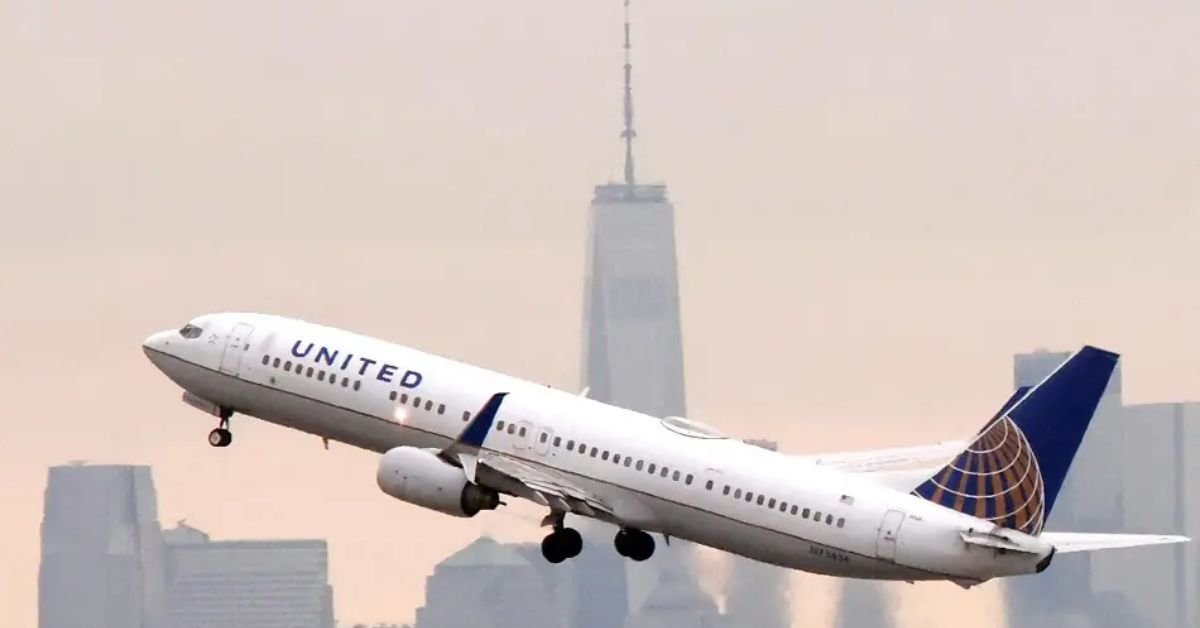
Air travel is considered one of the safest ways to travel, but unexpected situations can still happen. This was the case with United Airlines Flight UA770, which had to make an emergency diversion recently. The incident gained attention not just because of the diversion itself, but also due to the reactions of passengers, aviation experts, and the airline’s quick response.
In this article, we will explain what happened on Flight UA770, why the diversion took place, how passengers experienced the event, and what it tells us about airline safety.
What is Flight UA770?
United Airlines Flight UA770 is a scheduled passenger flight that usually operates between San Francisco International Airport (SFO) and Boston Logan International Airport (BOS). Like many long-haul domestic flights in the U.S., it carries hundreds of passengers daily across the country.
On the day of the incident, UA770 was a fully booked flight, with travelers including business professionals, families, and tourists. For many, it was supposed to be an ordinary cross-country journey — until the unexpected happened.
The Incident: Why Was Flight UA770 Diverted?
During the mid-journey, the crew noticed an unexpected technical issue on the aircraft. Aviation sources suggest that it could have been related to a mechanical warning signal or a cabin pressurization alert. While the exact cause was not officially confirmed at first, safety protocols required the pilot to act quickly.
Instead of continuing to Boston, the captain made the decision to divert the flight to Denver International Airport (DEN). Denver was chosen because it had a large runway, full emergency response services, and was geographically suitable for a safe landing.
How Do Pilots Decide to Divert a Flight?
Many passengers may wonder: Why not just continue to the destination?
The truth is that in aviation, safety always comes first. If a pilot notices a warning light or feels something unusual, the standard practice is to divert to the nearest suitable airport. This ensures that:
-
Passengers are not put at risk.
-
Technicians can check the aircraft immediately.
-
Emergency services are available in case the situation worsens.
In the case of UA770, the captain followed strict FAA safety guidelines by choosing diversion over risk.
Passenger Reactions During the Diversion
Passengers onboard UA770 reported mixed emotions. Some described the experience as stressful and nerve-wracking, while others praised the crew for staying calm and keeping everyone updated.
A few common reactions included:
-
Anxiety – especially for those not used to flying or for families with children.
-
Relief – once the plane landed safely in Denver.
-
Gratitude – towards the flight attendants and pilot for handling the situation professionally.
One passenger shared on social media: “It was scary at first when the captain announced we were diverting, but the crew did an amazing job keeping us calm.”
Airline Response and Support
United Airlines issued a statement confirming that Flight UA770 was diverted “out of an abundance of caution.” The airline emphasized that the safety of passengers and crew is its top priority.
To minimize passenger inconvenience, United:
-
Arranged for another aircraft to continue the journey to Boston.
-
Offered meal vouchers and assistance during the waiting period.
-
Provided updates through text messages and announcements.
Most passengers were able to reach their final destination within hours of the diversion.
Emergency Diversions: How Common Are They?
Emergency diversions may sound dramatic, but they are not extremely rare in aviation. Airlines worldwide deal with such situations a few times every week, often due to:
-
Medical emergencies (passenger illness).
-
Technical warnings (engine, hydraulics, pressurization).
-
Severe weather conditions (storms, turbulence, or visibility issues).
Most diversions end safely, as was the case with UA770, proving how advanced aviation safety measures are today.
Expert Opinions on the UA770 Diversion
Aviation experts believe that the decision to divert was the correct one. According to pilots and safety analysts:
-
Modern airplanes are equipped with multiple backup systems, but it is always safer to check on the ground.
-
The pilot’s decision showed professionalism and strict adherence to safety procedures.
-
Passengers should feel reassured that diversions are a sign of caution, not danger.
As one aviation expert explained: “If your flight diverts, it doesn’t mean the plane is failing — it means your crew is prioritizing your safety.”
The Role of Crew Training
The smooth handling of UA770’s diversion highlights the importance of crew training. Flight attendants are trained to:
-
Keep passengers calm during unexpected events.
-
Follow safety procedures with precision.
-
Communicate clearly without creating panic.
In this case, passengers praised the crew for their professionalism and empathy. This once again showed why airlines invest heavily in safety drills and training sessions.
Lessons for Passengers
What can everyday travelers learn from incidents like the UA770 diversion? Here are some key takeaways:
-
Stay Calm – Most diversions are precautionary, not life-threatening.
-
Trust the Crew – Pilots and flight attendants are highly trained for emergencies.
-
Be Patient – Diversions may cause delays, but they are always for passenger safety.
-
Prepare for Delays – Having essentials like snacks, chargers, and patience helps.
Broader Impact on Airline Safety
The UA770 incident reflects how the aviation industry’s safety-first culture continues to protect passengers. Every diversion is logged, investigated, and used to improve safety protocols.
United Airlines, like other major carriers, works closely with the Federal Aviation Administration (FAA) to ensure proper inspections and follow-up after such events.
Passenger Stories: Voices From Social Media
In today’s digital world, passengers often share their real-time experiences online. On Twitter and Reddit, some UA770 passengers wrote about:
-
The calm announcements made by the captain.
-
Relief after landing in Denver.
-
Frustration at the delay, though most acknowledged safety was more important than time.
Such posts show how transparency and good communication can shape public perception during an airline incident.
Final Thoughts
The United Airlines Flight UA770 emergency diversion was a reminder that air travel, while incredibly safe, requires constant vigilance. Thanks to the professionalism of the crew, the quick decision of the pilot, and the support from United Airlines, passengers reached their destinations safely.
For travelers, the lesson is simple: while diversions may be inconvenient, they are always made in the interest of protecting lives.
FAQs About United Airlines Flight UA770 Diversion
Q1: Why did United Airlines Flight UA770 divert?
The flight diverted due to a technical alert that required precautionary landing for safety checks.
Q2: Was anyone injured during the diversion?
No, all passengers and crew members were safe.
Q3: How did passengers continue their journey after the diversion?
United arranged another aircraft from Denver to complete the trip to Boston.
Q4: Are diversions like this common?
Yes, they happen occasionally for safety reasons such as technical issues, medical emergencies, or bad weather.
Q5: Should passengers worry if their flight diverts?
No. Diversions are standard safety measures to ensure the well-being of everyone onboard.
[/et_pb_text][/et_pb_column]
[/et_pb_row]
[/et_pb_section]