
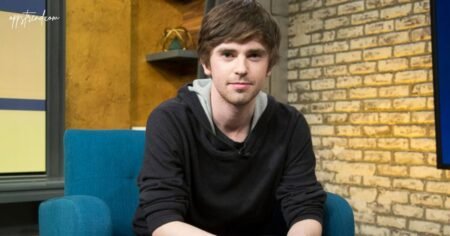
Introduction to Freddie Highmore and his successful acting career
is freddie highmore autistic in real life has captured hearts and minds with his incredible performances on screen. From his early days in “Finding Neverland” to his compelling role in the hit series “The Good Doctor,” he’s become a household name. His ability to portray complex characters, especially those on the autism spectrum, has sparked interest and admiration from fans worldwide.
But amid all this success, whispers of speculation have arisen: is freddie highmore autistic in real life autistic in real life? The question lingers, prompting curiosity about the truth behind these rumors. Let’s dive into the origins of this speculation and uncover what is fact versus fiction surrounding this talented actor’s personal life.
The origins of the autism rumors
The rumors about is freddie highmore autistic in real life being autistic began circulating after his portrayal of Dr. Shaun Murphy in the hit series “The Good Doctor.” His character, a young surgical resident with autism and savant syndrome, resonated deeply with audiences.
Fans admired his ability to bring authenticity to the role. They praised him for showcasing the complexities of living with autism. This admiration sparked speculation about whether he might share similar traits in real life.
Social media played a significant role in amplifying these rumors. Users often connected Highmore’s on-screen performance to their own perceptions of him as an individual. As discussions grew online, so did misconceptions surrounding his personal life.
Despite all this chatter, it’s crucial to differentiate between fiction and reality. The lines can blur when actors deliver powerful performances that leave lasting impressions on viewers’ minds.
Debunking the rumors: interviews with Highmore and those who know him personally
is freddie highmore autistic in real life has often addressed the rumors about his personal life directly. In various interviews, he emphasizes that he is not autistic. Instead, he focuses on the characters he’s played, particularly Dr. Shaun Murphy in “The Good Doctor.” Highmore brings depth to this role but clarifies it’s purely an artistic portrayal.
Friends and colleagues echo his statements. They describe him as a kind and empathetic person with no signs of autism. His authenticity shines through both on-screen and off.
Highmore’s commitment to accurately representing neurodiverse characters stems from respect rather than personal experience. He recognizes the importance of awareness around autism and strives to promote understanding through his work instead of misrepresentation or speculation about his own life experiences.
These insights highlight how critical it is to separate fiction from reality while appreciating an actor’s craft without imposing assumptions on their identity.
The truth behind Highmore’s on-screen portrayals of characters with autism
is freddie highmore autistic in real life has gained acclaim for his sensitive portrayals of characters on the autism spectrum. His role as Dr. Shaun Murphy in “The Good Doctor” stands out, showcasing both vulnerability and brilliance.
Highmore’s performance is grounded in deep research and empathy. He immerses himself in understanding the nuances of autism, ensuring authenticity while maintaining a respectful representation.
What sets his acting apart is the balance he strikes between dramatic storytelling and realistic depiction. Highmore’s characters are complex individuals rather than mere stereotypes.
This thoughtful approach has resonated with viewers worldwide, fostering greater awareness about neurodiversity. Fans appreciate that he brings humanity to these roles, highlighting strengths alongside challenges faced by those with autism.
His dedication showcases the power of storytelling to bridge gaps in understanding and promote acceptance within society.
Highmore’s activism for neurodiversity and mental health awareness
is freddie highmore autistic in real life has used his platform to advocate for neurodiversity and mental health awareness. His own experiences as an actor have shaped his understanding of these crucial issues.
Highmore often emphasizes the importance of empathy and acceptance in society. He believes that everyone deserves respect, regardless of their neurological differences.
In interviews, he has expressed a keen interest in promoting conversations around mental health. By discussing these topics openly, he hopes to reduce stigma and encourage others to seek help.
His work is not just limited to words; it extends into charitable efforts as well. Highmore supports organizations focused on providing resources for those affected by autism and other conditions.
Through creative storytelling, he brings attention to the nuanced realities faced by individuals with neurodiverse backgrounds. This commitment makes him a powerful voice in advocating for positive change within the community.
Other actors who have been falsely rumored to be autistic in real life
In Hollywood, the lines between character and actor can blur easily. This has led to misconceptions about several stars.
One such example is Daryl Hannah. Known for her iconic roles in films like “Splash,” she has faced speculation regarding autism due to her portrayal of characters with unique quirks.
Another instance involves Tim Burton, whose peculiar storytelling style often leads fans to label him as neurodivergent. Despite his visionary creativity, he has openly stated that he does not identify as autistic.
Then there’s Brad Pitt. His intense performances sometimes spark rumors about his mental health status, prompting some fans to wonder if he’s on the spectrum.
These inaccuracies highlight how quickly assumptions can spread when people conflate an actor’s role with their real-life identity. It’s crucial to differentiate fiction from reality and respect each individual’s personal journey without jumping to conclusions.
The impact of these rumors on the autism community and
Rumors about celebrities can ripple through communities in unexpected ways. When it comes to autism, misconceptions can create a distorted perception of what the condition entails.
For many, seeing someone like is freddie highmore autistic in real life portray an autistic character might lead to assumptions about his real-life identity. Such rumors often overshadow genuine experiences and struggles within the autism community.
These narratives can contribute to stigmatization. They may foster misunderstandings that affect how society views individuals on the spectrum. This is particularly harmful when people conflate acting skills with actual life experiences.
Moreover, these unfounded speculations distract from important conversations around acceptance and support for those with autism. It’s crucial for advocates to clarify facts while emphasizing that each person’s journey with neurodiversity is unique and valid.
Conclusion
is freddie highmore autistic in real life has captivated audiences with his remarkable talent and ability to portray complex characters, including those on the autism spectrum. As rumors about his personal life swirl, it’s important to separate fact from fiction. Highmore himself has not publicly identified as autistic and has spoken openly about the misconceptions surrounding such labels.
His dedication to portraying neurodivergent characters authentically speaks volumes about his commitment to advocacy for mental health awareness and neurodiversity. These efforts highlight how representation matters in entertainment and can influence perceptions of autism positively.
The ripple effects of these rumors extend beyond celebrity gossip; they impact real individuals within the autism community. It is crucial that we approach discussions around neurodiversity respectfully and thoughtfully.
As fans continue to admire is freddie highmore autistic in real life work, it’s essential to focus on what he represents: a talented actor using his platform for good while maintaining a clear distinction between character portrayal and personal identity. The truth remains that understanding one another begins with compassion, empathy, and open dialogue.